Français
 English
 فارسی
 Türkçe
 اللغة العربية
 Deutsch
 русский язык

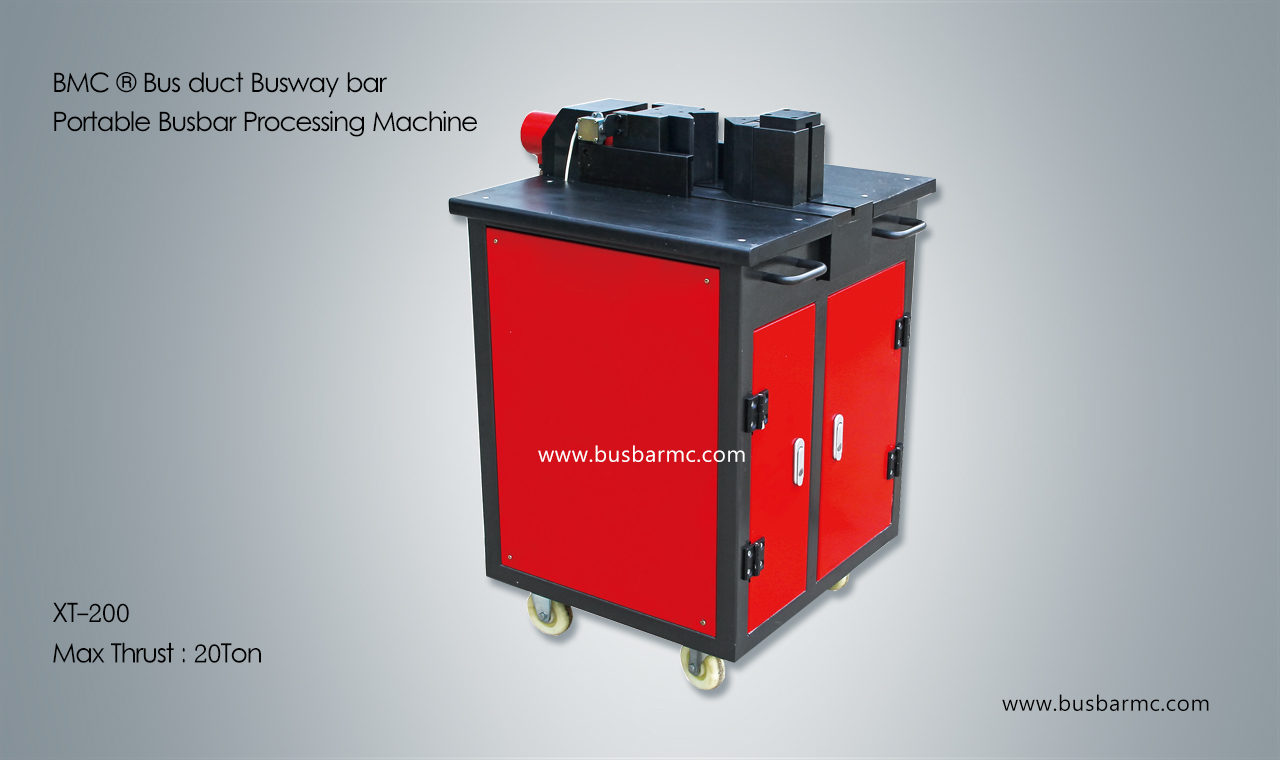
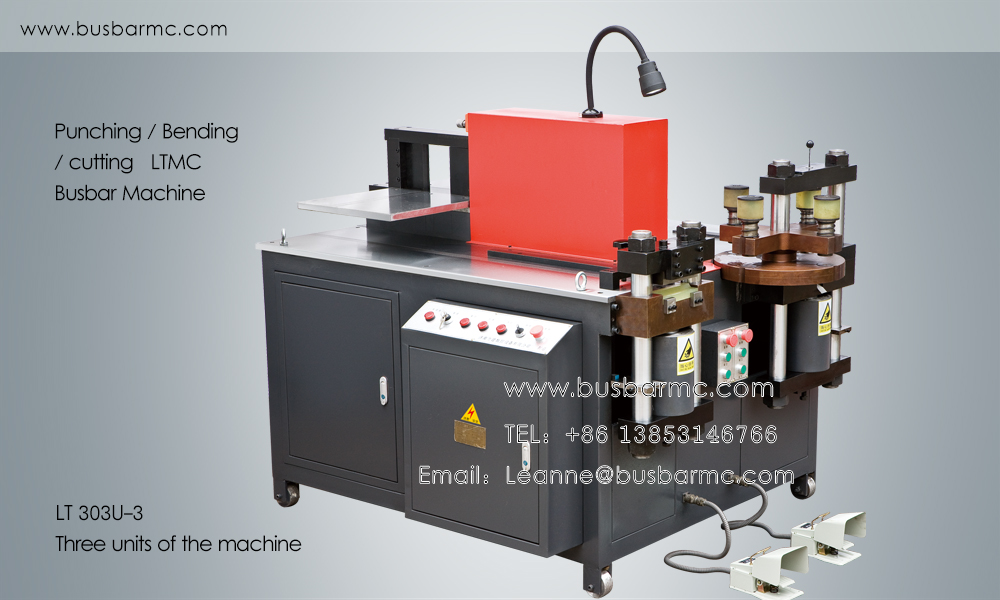
La fabrication des barres omnibus dans une usine d’appareillage de commutation est une séquence et l’usine fonctionne à la vitesse de son étape la plus lente. Les étapes consistent à couper à longueur, à poinçonner le modèle de trous, à plier selon la géométrie, à ébavurer et à inspecter, puis à monter en kit dans la cellule d'assemblage. La plupart des usines investissent dans une machine impressionnante et laissent les autres étapes manuelles, c'est pourquoi cette machine impressionnante passe une partie de sa journée à attendre.
Les cinq étapes et ce dont chacun a besoin
| Étape | Équipement | Ce qu'il décide | Cause typique du goulot d'étranglement |
|---|---|---|---|
| Couper à longueur | Cisaille, ou le poste de coupe d'une machine 3 en 1 | Précision de la longueur et qualité de la face coupée | Manutention manuelle de barres longues |
| Punch | Station de poinçonnage à tourelle ou presse dédiée | Position et diamètre du trou | Changements de matrice entre les pièces |
| Plier | Station de pliage avec contrôle d'angle | Angle, longueur des jambes, planéité | Correction du retour élastique sur chaque pièce |
| Ébavurer et inspecter | Outil d'ébavurage, jauge d'angle, étriers | Si la pièce est acceptée lors de l'assemblage | Pas de point de contrôle défini |
| Kit et livraison | Rack ou chariot par numéro de panneau | Assembly waiting time | Parts delivered in production order, not assembly order |
The fourth and fifth steps are the ones most often skipped in a capital plan, and they are the ones that generate the complaints. A part that is 0.3 mm out of square is a tolerance issue on paper and a two hour delay on the assembly floor.
Sizing each step to the bottleneck
Start from the monthly mix, not from the peak job. Count the bars per panel, the holes per bar and the bends per bar. Convert that to station hours per month, then compare with the available hours. The step that exceeds available hours is the one to invest in. In most low voltage switchgear plants the punching step dominates, because hole count per bar rises faster than bar count as panels become more complex.
A three station machine is the usual answer for a mixed low and medium volume plant, because it removes transport between three operations and it lets three operators work at once. A dedicated punch and shear line is the answer when one plant builds the same panel family in volume, because the programming and nesting gain outweighs the loss of flexibility.
Quality gates that prevent rework
- First article inspection on every new part number: length, hole position, hole diameter, angle and leg length recorded on one sheet.
- A defined inspection interval during a run, not only at the start, because die wear and hydraulic temperature drift both move the result.
- Angle verification with a digital instrument, not with a square and eye, because a 1 degree error is invisible and outside tolerance.
- Hole position checked with a pin gauge or caliper against the drawing datum, not against the previous part.
- A reject bin at the machine, so out of tolerance parts never reach kitting.
Layout rules that save more than a machine costs
Put the shear, the punch and the bend within one operator walking distance. Every metre between stations becomes handling time multiplied by every bar in the plant. Keep the bar rack at the shear end, not in the middle, so long bars are cut before they are moved. Deliver kitted parts to assembly in panel order, because a complete kit that arrives in the wrong sequence is as useful as an incomplete one.
Questions fréquemment posées
What is the minimum equipment set for a small switchgear workshop?
A shear, a punch and a bender, or one three station machine that combines them, plus a deburring tool and a digital angle gauge. Anything less means buying cut and punched bars from outside, which adds lead time to every panel.
Should we buy a CNC line or a three station machine first?
If the product mix changes from panel to panel, buy the three station machine first. If eighty percent of output is one panel family, a CNC line pays back faster because programming effort is amortised over long runs.
How do we know the bending step is our bottleneck?
Measure how long a bar waits at the bend station compared with how long it is actually being bent. Waiting time above working time means the step is the constraint.