Deutsch
 English
 فارسی
 Türkçe
 اللغة العربية
 Français
 русский язык

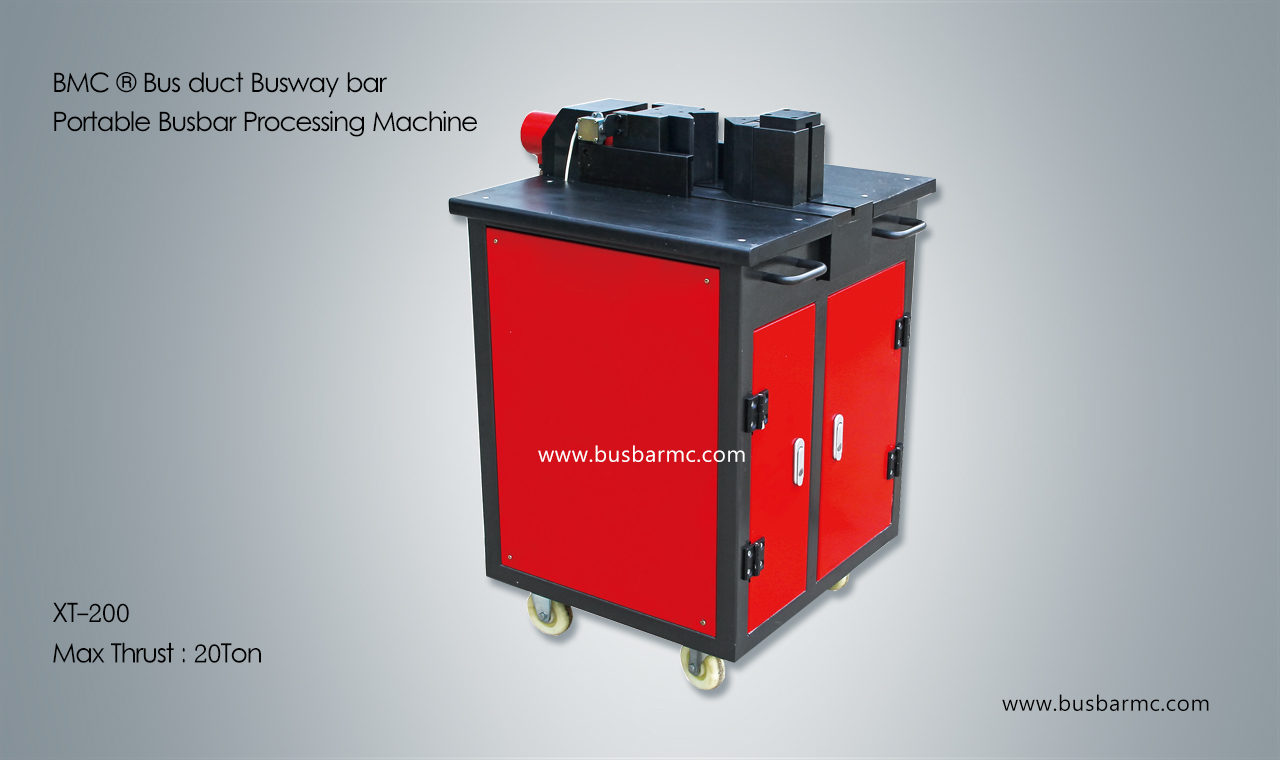
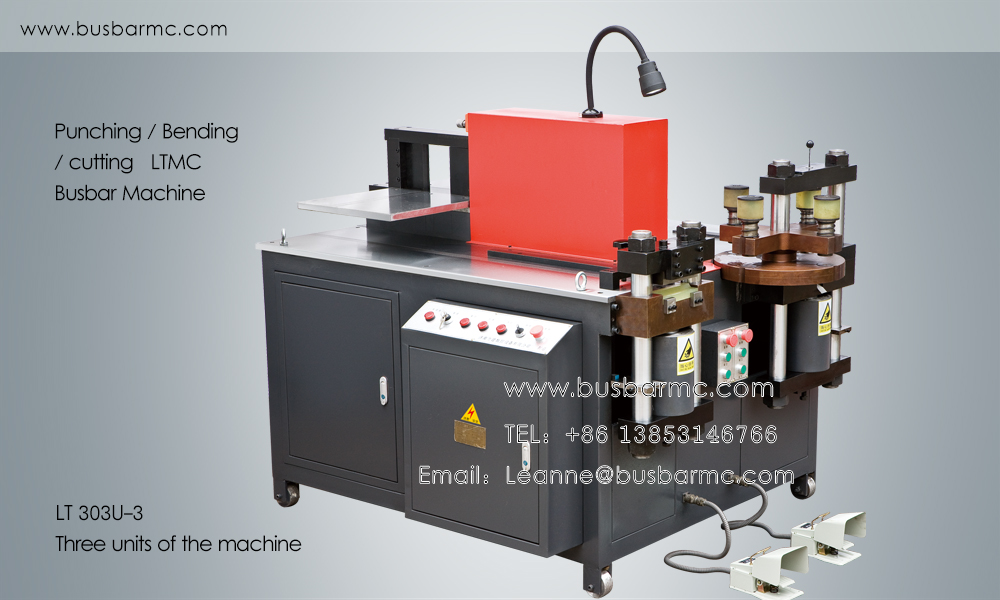

Die Lochgenauigkeit auf einer Stromschiene hängt von drei Dingen in dieser Reihenfolge ab: der Ausrichtung und dem Spiel des Chips, der Positionierungsmethode und der Werkzeugsteifigkeit unter Last. Ein perfekt geschliffener Stempel erzeugt immer noch ein versetztes Loch, auch wenn die Matrize locker ist oder sich der Anschlag bewegt hat. Überprüfen Sie vor dem Werkzeugwechsel die Klemmung und den Anschlag, da diese mehr Positionsfehler verursachen als verschlissene Stempel.
Was bestimmt die Lochqualität?
| Ursache | Symptom | Fix |
|---|---|---|
| Matrizenspiel zu groß | Grobe Bohrung, starker Grat, ovales Loch | Passen Sie den Abstand an Dicke und Material an |
| Matrizenspiel zu klein | Der Stempel nimmt Material auf, die Lochwand reißt ein | Spiel vergrößern, Stempelfläche polieren |
| Stempel und Matrize sind falsch ausgerichtet | Lochversatz um einen konstanten Betrag | Richten Sie den Matrizensatz neu aus und überprüfen Sie die Revolverstation |
| Stempelkante abgenutzt | Der Durchmesser wird kleiner, der Grat wächst | Ersetzen oder nachschleifen, dann das Spiel erneut prüfen |
| Stoppen oder klemmen Sie den Schlupf fest | Die Position variiert von Teil zu Teil | Überprüfen Sie den Klemmdruck und stoppen Sie die Verriegelung |
| Unzureichende Tonnage | Teilweises oder ausgerissenes Loch, insbesondere bei großem Durchmesser | Durchmesser reduzieren oder eine höherwertige Maschine verwenden |
Die häufigste Fehldiagnose besteht darin, den Stempel für einen Positionsfehler verantwortlich zu machen, der tatsächlich vom Anschlag herrührt. Wenn der Versatz konstant ist, vermuten Sie eine Ausrichtung. Wenn der Versatz variiert, liegt der Verdacht am Anschlag, an der Klemme oder an der Technik des Bedieners.
Clearance and tonnage
Clearance is a percentage of thickness, not a fixed millimetre value, which is why the same die behaves differently on 6 mm and on 12 mm bar. Aluminum needs a wider clearance because it tears rather than shears cleanly at copper settings. Too little clearance raises the punching force, increases punch wear and can split the die. Too much clearance gives a rough bore and a burr that has to be removed before the joint is bolted.
Tonnage is the other half. Required force rises with the perimeter of the hole and with thickness, so a 30 mm hole in 16 mm bar needs far more than a 10 mm hole in the same bar. If the machine is at its limit, the hole will be torn rather than punched, and no amount of die adjustment will fix it.
Positioning methods compared
- Mechanical stop and scale: fast for repeated patterns on one bar, but the operator reads the scale and errors accumulate across a hole row.
- Back gauge with digital readout: better repeatability, still depends on the operator entering each position.
- CNC positioning with stored coordinates: the pattern comes from the drawing, so hole to hole distance is consistent and re-entry errors disappear.
- Template or jig: useful for a single awkward part, not for volume, because the jig itself wears.
Die maintenance that keeps diameter stable
A punch does not fail suddenly. It wears at the edge, the diameter drifts down, the burr grows and eventually the hole is out of tolerance. Record the punched diameter on the first article of each batch, and compare it with the value recorded the last time that part ran. A drift of a few hundredths per batch tells you when to regrind, before the parts are rejected at assembly.
After regrinding, the punch is shorter and the die clearance changes. Re-shim and re-check clearance rather than assuming the reground punch can be dropped in. This is the single most common cause of a sudden quality drop after routine maintenance.
Häufig gestellte Fragen
Why is my hole oval instead of round?
Usually excessive clearance or a punch that is not perpendicular to the bar. Check clearance first, then check that the punch face is square to the die.
Can I punch a hole larger than the published maximum?
No. The published maximum is set by tonnage and frame stiffness, not by whether a die exists. A larger die will either stall the machine or damage the frame.
How often should punch dies be replaced?
Track it by hole count and by measured diameter, not by calendar time. A die that punches soft aluminum may last far longer than one on hard copper of the same thickness.