فارسی
 English
 Türkçe
 اللغة العربية
 Deutsch
 Français
 русский язык

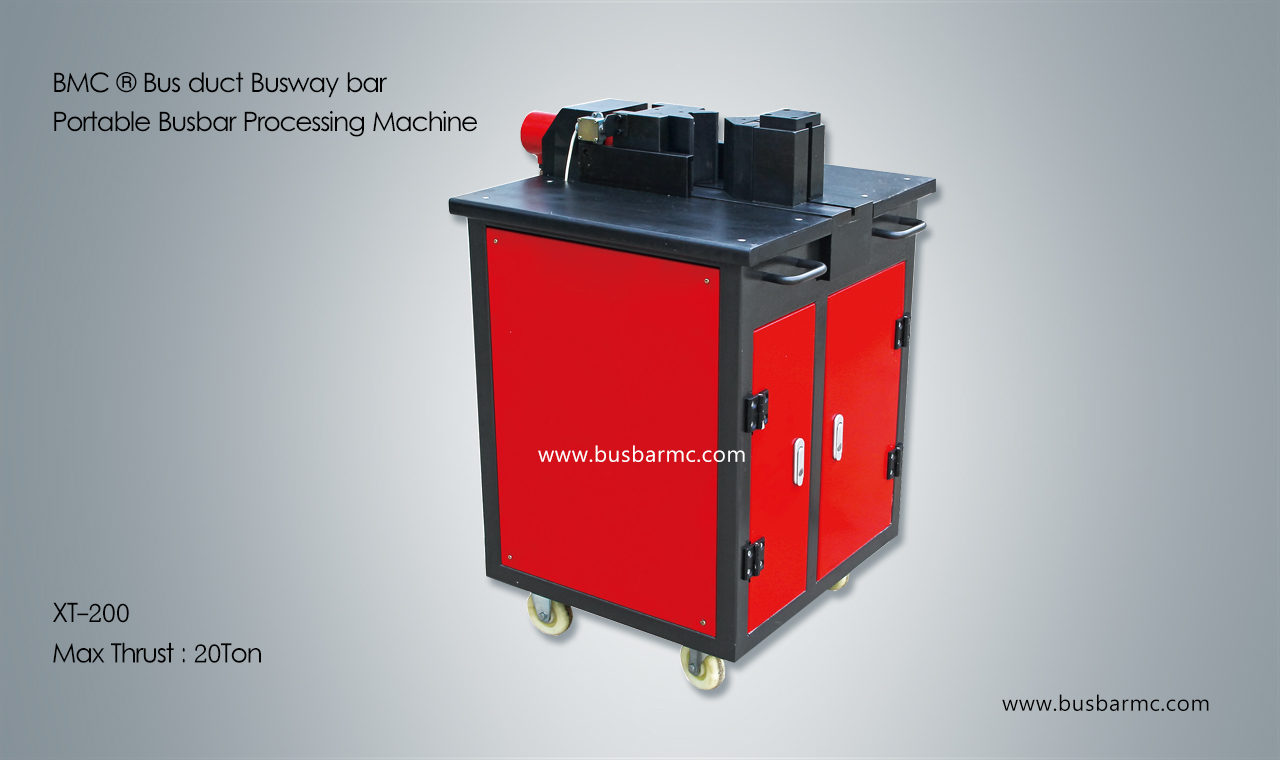
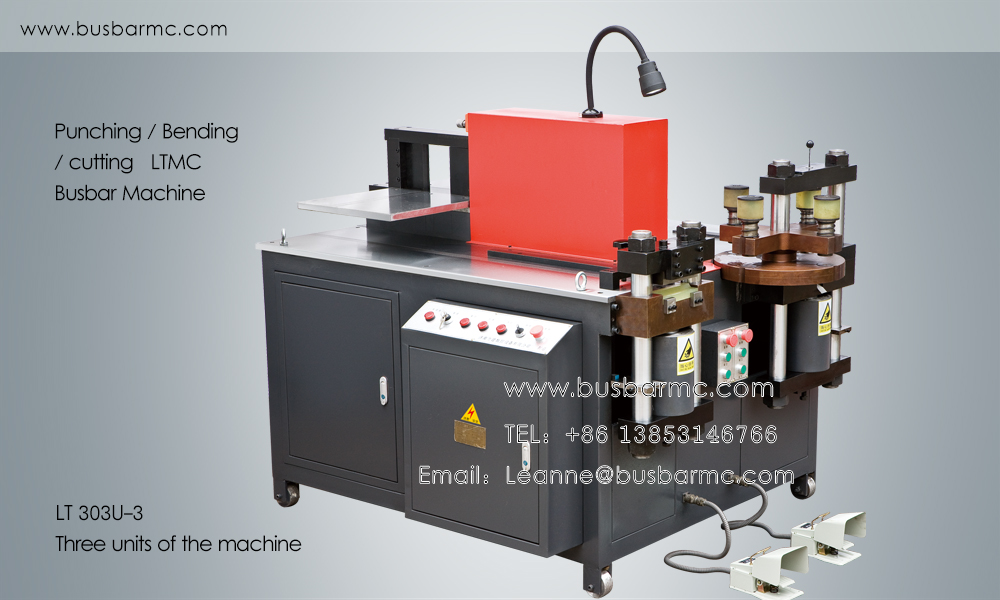

دقت سوراخ در یک شینه از سه چیز به این ترتیب ناشی می شود: تراز و فاصله گذاری قالب، روش موقعیت یابی و صلبیت ابزار تحت بار. پانچ که کاملاً آسیاب شده باشد، در صورتی که قالب شل باشد یا استاپ حرکت کرده باشد، همچنان یک سوراخ افست ایجاد می کند. قبل از تعویض ابزار، گیره و استاپ را بررسی کنید، زیرا این موارد بیشتر از پانچ های فرسوده باعث خطای موقعیت می شوند.
چه چیزی کیفیت سوراخ را تعیین می کند
| علت | علامت | رفع کنید |
|---|---|---|
| فاصله قالب خیلی بزرگ است | سوراخ ناهموار، سوراخ سنگین، سوراخ بیضی شکل | فاصله را با ضخامت و مواد مطابقت دهید |
| فاصله قالب خیلی کوچک است | پانچ مواد را جمع می کند، نمرات دیوار را سوراخ می کند | فاصله را افزایش دهید، صورت پانچ را جلا دهید |
| ناهماهنگی مشت و مرگ | سوراخ با مقدار ثابت جبران می شود | مجموعه قالب را دوباره تنظیم کنید، ایستگاه برجک را بررسی کنید |
| لبه پانچ فرسوده | قطر کوچک می شود، سوراخ رشد می کند | جایگزین کنید یا دوباره آسیاب کنید، سپس بازرسی را دوباره بررسی کنید |
| توقف یا لغزش گیره | موقعیت قسمت به قسمت متفاوت است | فشار گیره را بررسی کنید و قفل را متوقف کنید |
| تناژ ناکافی | سوراخ جزئی یا پاره شده، به ویژه در قطر زیاد | قطر را کاهش دهید یا از یک ماشین کلاس بالاتر استفاده کنید |
رایج ترین تشخیص اشتباه سرزنش پانچ برای یک خطای موقعیت است که در واقع از توقف ناشی می شود. اگر افست ثابت است، به تراز مشکوک شوید. اگر افست متفاوت است، به توقف، گیره یا تکنیک اپراتور مشکوک شوید.
Clearance and tonnage
Clearance is a percentage of thickness, not a fixed millimetre value, which is why the same die behaves differently on 6 mm and on 12 mm bar. Aluminum needs a wider clearance because it tears rather than shears cleanly at copper settings. Too little clearance raises the punching force, increases punch wear and can split the die. Too much clearance gives a rough bore and a burr that has to be removed before the joint is bolted.
Tonnage is the other half. Required force rises with the perimeter of the hole and with thickness, so a 30 mm hole in 16 mm bar needs far more than a 10 mm hole in the same bar. If the machine is at its limit, the hole will be torn rather than punched, and no amount of die adjustment will fix it.
Positioning methods compared
- Mechanical stop and scale: fast for repeated patterns on one bar, but the operator reads the scale and errors accumulate across a hole row.
- Back gauge with digital readout: better repeatability, still depends on the operator entering each position.
- CNC positioning with stored coordinates: the pattern comes from the drawing, so hole to hole distance is consistent and re-entry errors disappear.
- Template or jig: useful for a single awkward part, not for volume, because the jig itself wears.
Die maintenance that keeps diameter stable
A punch does not fail suddenly. It wears at the edge, the diameter drifts down, the burr grows and eventually the hole is out of tolerance. Record the punched diameter on the first article of each batch, and compare it with the value recorded the last time that part ran. A drift of a few hundredths per batch tells you when to regrind, before the parts are rejected at assembly.
After regrinding, the punch is shorter and the die clearance changes. Re-shim and re-check clearance rather than assuming the reground punch can be dropped in. This is the single most common cause of a sudden quality drop after routine maintenance.
سوالات متداول
Why is my hole oval instead of round?
Usually excessive clearance or a punch that is not perpendicular to the bar. Check clearance first, then check that the punch face is square to the die.
Can I punch a hole larger than the published maximum?
No. The published maximum is set by tonnage and frame stiffness, not by whether a die exists. A larger die will either stall the machine or damage the frame.
How often should punch dies be replaced?
Track it by hole count and by measured diameter, not by calendar time. A die that punches soft aluminum may last far longer than one on hard copper of the same thickness.